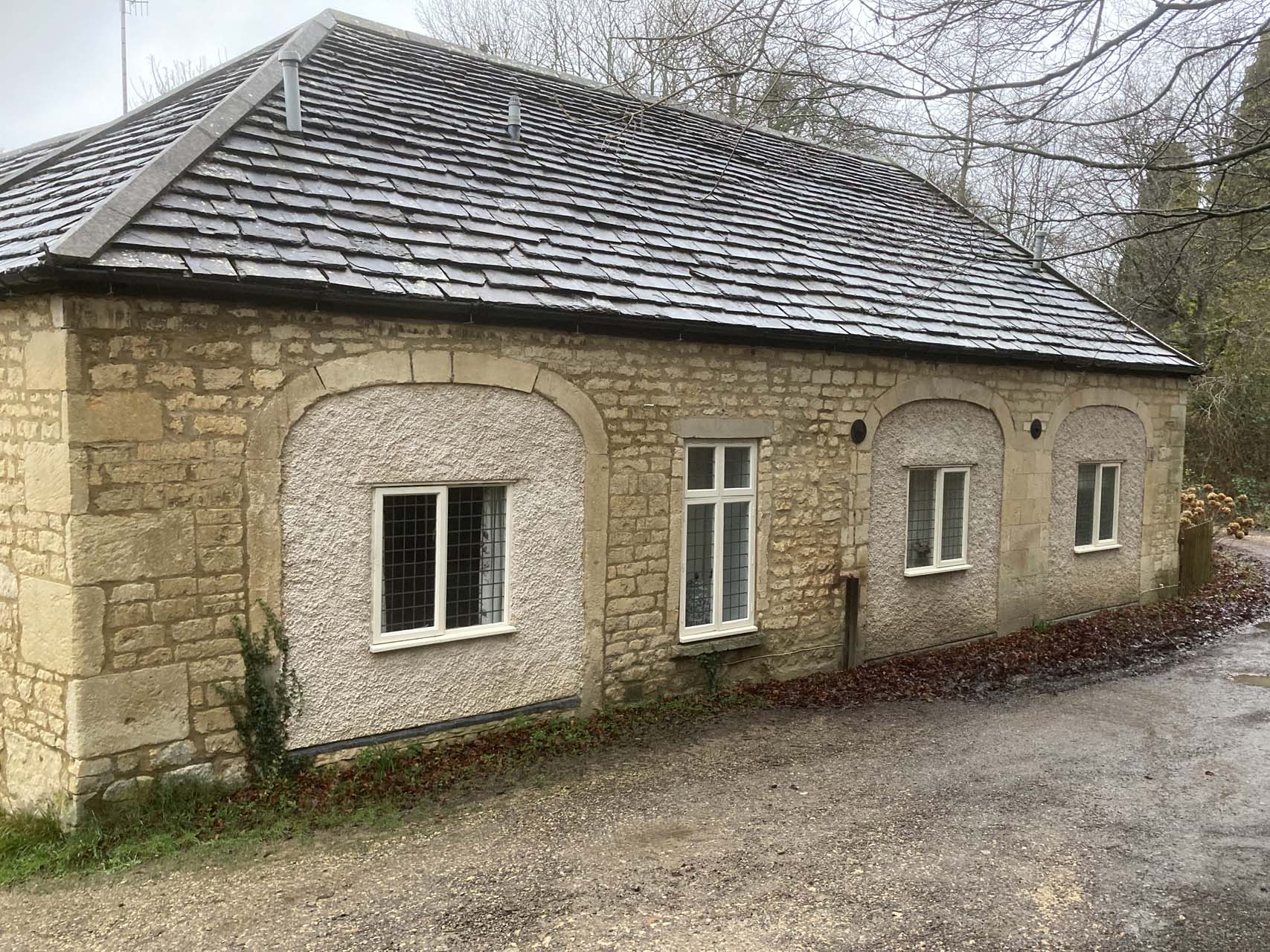
Getting Winter Ready with Lime-Based Materials
As the last leaves are falling off the trees and we begin to settle into the English Winter, many of us get prepared by stocking up on firewood or getting ourselves a few extra blankets to ensure we’re ready for the cold snap. But one often-overlooked element in winter preparation is the preservation and protection of our homes themselves. Preparing the structures that we live in is just as important a practice at this time of year as checking your tyres or servicing your boiler!
Traditional lime products have been used in the construction and maintenance of Cotswold homes for centuries, and they offer a range of benefits that can help ensure your home stays warm, dry, and durable throughout the winter months. Let’s explore why lime-based materials are essential for preparing your Cotswold home for the cold weather ahead.
Regulate Moisture
As we all know, the English Winter is renowned for its cold and damp conditions. Excess moisture in the air can lead to dampness, which, over time, can cause structural issues for buildings and promote the rapid growth of mould and mildew. This is particularly concerning in stone-built homes, where moisture can penetrate the walls and cause damage. Lime products such as lime mortar and lime plaster naturally regulate moisture by absorbing and slowly releasing it. This ability is vital during the winter months when the weather is especially damp, and heating systems can also exacerbate the humidity inside your home as well. By allowing buildings to “breathe,” lime helps to prevent the internal walls from becoming too moist, and therefore protecting your home from the damaging effects of dampness and mould. This is particularly important in older Cotswold cottages that often rely on their original stonework and lime-based finishes for their longevity.
Freeze-Thaw Chaos!
Like any other natural material, Cotswold stone can be vulnerable to freeze-thaw cycles during the harsh winter; when water infiltrates stone walls and then freezes in low temperatures, it expands, potentially causing the stone to crack or crumble. This cycle can be especially damaging to buildings during the winter, when it can repeatedly freeze and thaw. However, lime mortar is an excellent solution for preserving the integrity of stone walls. Unlike cement, which can trap moisture within the stone and exacerbate freeze-thaw damage, lime mortar is breathable and allows moisture to escape. This makes lime an ideal material for both repairs and new applications on stone buildings, helping to ensure that your Cotswold home withstands the rigours of winter without suffering from cracking, erosion, or structural damage.
Keep your surroundings beautiful…
Lime-based finishes are not only beautiful but incredibly durable, providing long-lasting protection for your home. They can help to maintain the warm and elegant aesthetic that Cotswold stone provides, and maintain and complement its traditional texture. While modern materials like cement may need frequent repairs due to cracking and moisture damage, lime-based products can continue to protect your home for decades with minimal upkeep. This longevity is essential in historic homes across the Cotswolds, where preserving the character and beauty of a property is often as important as its functionality.
…and keep them safe!
Winter can sometimes bring an increased risk of fires due to the use of heating systems and open fires. Lime is naturally fire-resistant, making it an ideal choice for both internal and external applications.
Back in the 1200s, after a large fire had taken place in London, King John declared that all properties in which brewing or baking were done must be plastered both inside and out so that they were safe from fire! Lime plaster is highly resistant to combustion, providing an additional layer of protection against fire hazards in your home during the winter months.
*
Once you’ve got the outside of our home ready to tackle the elements, then you can be too. Remove the stress that Winter weather can bring by getting ahead of the game, and making sure that your home is as breathable, efficient, and safe as it can be! Then all that’s left to do is get yourself under a blanket, make a hot chocolate, and stay cosy until the Spring…