6 Reasons Why you Should Choose Lime Mortars and Renders

6 Reasons Why you Should Choose Lime Mortars and Renders

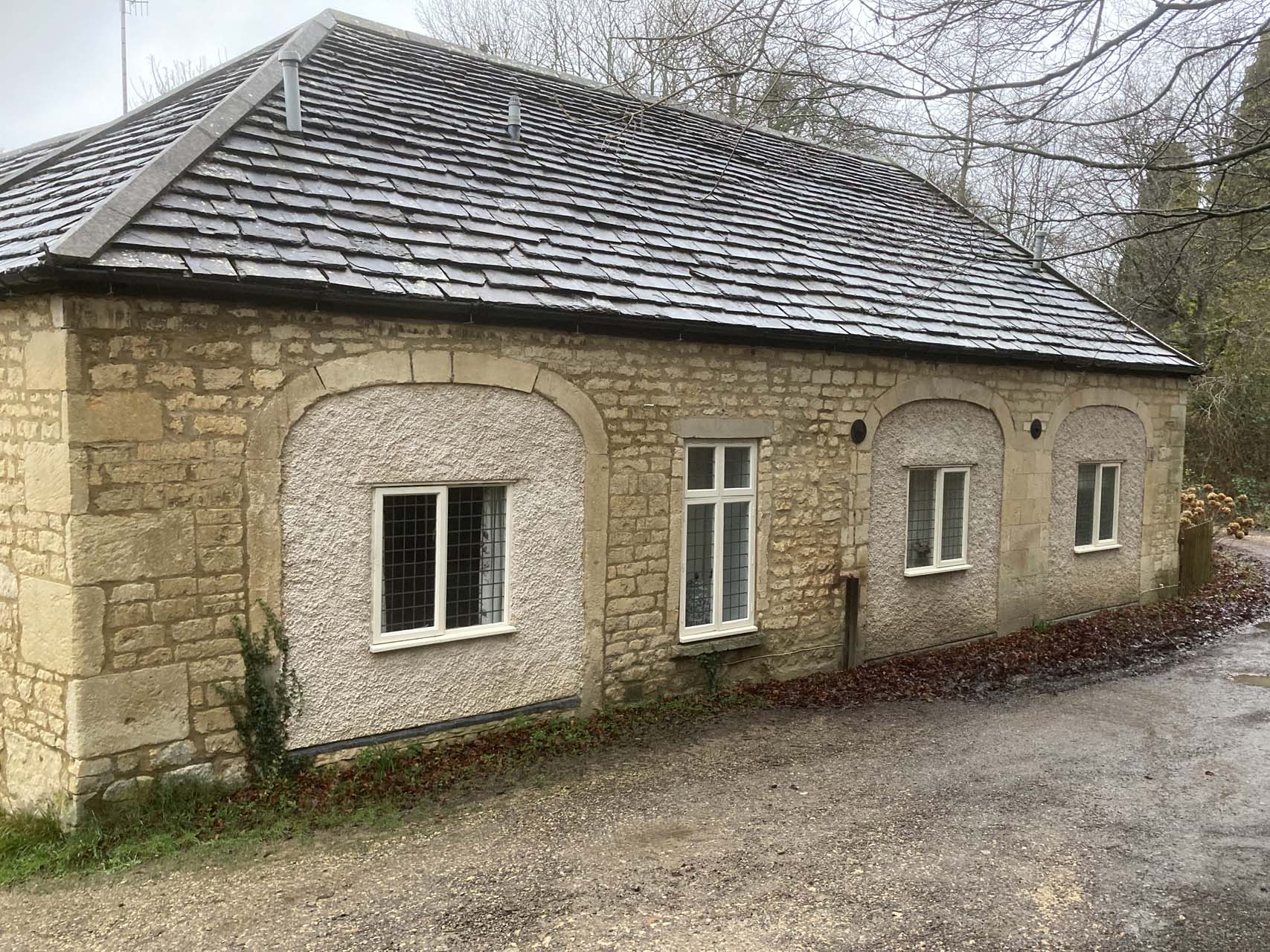
Here in the heart of the Cotswolds, we’re surrounded by beautiful stone buildings – and their charming, timeless style and their ability to stand the test of time are no accident, of course. Built with traditional lime mortars and renders, these wonderful buildings that are so full of life and character have been a staple characteristic of the Gloucestershire landscape for centuries.

Lime mortar is one of the world’s oldest and most durable building materials when it comes to stonemasonry, and is still central to the repair and maintenance of historic, heritage, and traditional buildings today. Whilst modern cement-based products are often seen as the default choice for modern builds, lime remains the best option for stonework, especially in heritage and conservation projects.

Here’s six reasons why we think using lime mortars and renders for your next project could be the right decision for you and your property.

Breathable

Breathability is an essential quality for solid masonry walls, which are found in most period buildings. This makes sure that water can pass through the building, making sure you can avoid a build-up of moisture within the fabric – and avoid the risk of subsequent condensation or damp taking hold! The open pore structure of lime allows a free flow of moisture in and out of the building, preventing damp, green mould, and moisture build-up in the wall cavities.

Elasticity

Because lime mortars and plasters are porous and open-textured, moisture will be absorbed and released – this stabilises the humidity within the building whilst reducing surface condensation and mould growth too. This elastic nature of the lime also ensures very minimal shrinkage and cracking once dry.

Protective

The use of lime helps protect against frost and water movement due to the higher quality of bond achieved with this material and the absence of large cracks. This helps reduce the risk of water intake and any potential subsequent mould. Unlike rigid cement, lime is also slightly flexible. This means it can accommodate small movements within a building (which can be caused by settling, temperature changes, or ground shifts) without cracking.

Environmentally Friendly

Lime production uses less energy than cement during production; lime production burns at a lower temperature than cement, therefore using less energy to make. It’s also considered the eco-friendly choice as it reabsorbs carbon dioxide from the atmosphere as it sets, as well as being a reusable, recyclable material.

Aesthetic

Lime mortars and renders age gracefully, and can transform even the plainest of buildings into something of beauty. They weather in a way that looks authentic and sympathetic to historic architecture can help ensure that new work harmonises with the old, as opposed to using contrasting methods such as combining lime work with cement application.

Cost Effective

Lime is produced on a small and cost-efficient scale, and while lime may take a little longer to apply than cement, this pays off over time. Because lime is easier to repair and doesn’t damage the surrounding stone, future maintenance is easier and less costly. Buildings repaired with lime avoid the expensive structural problems that often arise when cement is used incorrectly. Not only is it cost-effective and easy to use and mix, but it also creates a wonderful finish once dry. The properties of lime keep a building looking good for longer.

**

The proof is in the buildings all around us here in the Cotswolds. Using lime connects your project to a proven tradition of craftsmanship and durability that has been proudly used by experts like us for generations. We specialise in working with lime mortars and renders, ensuring that every project respects the heritage of the building – while delivering lasting quality and results for years to come.

The Art and Importance of Thermal Cleaning in Stonemasonry

Lime Render Cotswolds

Filled with beautiful limestone buildings and rich architectural heritage, maintaining the beauty of our historic and modern structures in the heart of the Cotswolds is both a privilege and a responsibility. One of the most effective methods for preserving the character of stonework is thermal cleaning—an intricate process that requires not only advanced technology but also a high level of skill and craftsmanship – as well as having the utmost respect for the historic buildings we strive to restore.

What is Thermal Cleaning?

Thermal cleaning is a specialist technique used to remove stubborn dirt, carbon deposits, and biological growth (such as algae) from stone surfaces. Unlike some more widely used methods that may involve abrasive or chemical treatments, thermal cleaning utilises controlled heat to break down contaminants in a way that is gentle enough to not damage the stone itself. By applying high temperatures in a precise manner, the unwanted layers detach from the stone, leaving the underlying surface clean and intact.

Why is Thermal Cleaning Essential?

Over time, pollution, dirt, and grime can cause significant deterioration to stone buildings, as well as affecting the overall aesthetics of these beautiful Cotswold buildings. It can even compromise their structural integrity if left unaddressed for too long. Thermal cleaning offers a solution that:

Preserves Historical Detail: Unlike more aggressive cleaning methods, thermal treatment ensures that the intricate carvings and features of historic Cotswold stonework remain undamaged.

Enhances Aesthetic Appeal: Cleaning brings out the original colour and texture of the stone, restoring buildings to their former glory.

Prolongs Structural Integrity: Removing harmful pollutants helps prevent decay and extends the lifespan of stonework.

Eco-Friendly Approach: Thermal cleaning often requires little to no chemical intervention, making it a more sustainable method for stone restoration.

The Craftsmanship Behind Thermal Cleaning

While the technology behind thermal cleaning is advanced, the process itself demands a skilled hand and a deep understanding and respect of stone properties. Each type of stone reacts differently to heat, and applying excessive temperatures or incorrect techniques can cause irreversible damage.

A skilled stonemason must assess the condition of the stone, determine the right level of heat, and carefully monitor the cleaning process. The ability to distinguish between natural weathering and contamination is essential, ensuring that only the unwanted layers are removed while the stone’s integrity remains intact. This level of expertise comes from years of experience, training, and an appreciation of traditional building materials.

Why Choose Expert Stonemasons for Thermal Cleaning?

At Heritage Lime, we combine state-of-the-art thermal cleaning technology with time-honoured craftsmanship, combined with care and consideration in order to deliver the best results for restoring your property. Whether it’s a listed building, a period home, or a contemporary stone structure, we treat each project with the attention to detail it deserves.

If your property’s stonework has lost its charm due to dirt, pollutants, or biological growth, thermal cleaning could be the perfect solution. Contact us today to discuss how our expert stonemasons can help restore and protect the timeless beauty of your stone surfaces.

Getting Winter Ready with Lime-Based Materials

Getting Winter Ready with Lime-Based Materials

As the last leaves are falling off the trees and we begin to settle into the English Winter, many of us get prepared by stocking up on firewood or getting ourselves a few extra blankets to ensure we’re ready for the cold snap. But one often-overlooked element in winter preparation is the preservation and protection of our homes themselves. Preparing the structures that we live in is just as important a practice at this time of year as checking your tyres or servicing your boiler!


Traditional lime products have been used in the construction and maintenance of Cotswold homes for centuries, and they offer a range of benefits that can help ensure your home stays warm, dry, and durable throughout the winter months. Let’s explore why lime-based materials are essential for preparing your Cotswold home for the cold weather ahead.


Regulate Moisture

As we all know, the English Winter is renowned for its cold and damp conditions. Excess moisture in the air can lead to dampness, which, over time, can cause structural issues for buildings and promote the rapid growth of mould and mildew. This is particularly concerning in stone-built homes, where moisture can penetrate the walls and cause damage. Lime products such as lime mortar and lime plaster naturally regulate moisture by absorbing and slowly releasing it. This ability is vital during the winter months when the weather is especially damp, and heating systems can also exacerbate the humidity inside your home as well. By allowing buildings to “breathe,” lime helps to prevent the internal walls from becoming too moist, and therefore protecting your home from the damaging effects of dampness and mould. This is particularly important in older Cotswold cottages that often rely on their original stonework and lime-based finishes for their longevity.


Freeze-Thaw Chaos!

Like any other natural material, Cotswold stone can be vulnerable to freeze-thaw cycles during the harsh winter; when water infiltrates stone walls and then freezes in low temperatures, it expands, potentially causing the stone to crack or crumble. This cycle can be especially damaging to buildings during the winter, when it can repeatedly freeze and thaw. However, lime mortar is an excellent solution for preserving the integrity of stone walls. Unlike cement, which can trap moisture within the stone and exacerbate freeze-thaw damage, lime mortar is breathable and allows moisture to escape. This makes lime an ideal material for both repairs and new applications on stone buildings, helping to ensure that your Cotswold home withstands the rigours of winter without suffering from cracking, erosion, or structural damage.


Keep your surroundings beautiful…

Lime-based finishes are not only beautiful but incredibly durable, providing long-lasting protection for your home. They can help to maintain the warm and elegant aesthetic that Cotswold stone provides, and maintain and complement its traditional texture. While modern materials like cement may need frequent repairs due to cracking and moisture damage, lime-based products can continue to protect your home for decades with minimal upkeep. This longevity is essential in historic homes across the Cotswolds, where preserving the character and beauty of a property is often as important as its functionality.


…and keep them safe!

Winter can sometimes bring an increased risk of fires due to the use of heating systems and open fires. Lime is naturally fire-resistant, making it an ideal choice for both internal and external applications.


Back in the 1200s, after a large fire had taken place in London, King John declared that all properties in which brewing or baking were done must be plastered both inside and out so that they were safe from fire! Lime plaster is highly resistant to combustion, providing an additional layer of protection against fire hazards in your home during the winter months.


*


Once you’ve got the outside of our home ready to tackle the elements, then you can be too. Remove the stress that Winter weather can bring by getting ahead of the game, and making sure that your home is as breathable, efficient, and safe as it can be! Then all that’s left to do is get yourself under a blanket, make a hot chocolate, and stay cosy until the Spring…

The Positive Effects of Lime – For You and The Environment

The Positive Effects of Lime – For You and The Environment

The beginning of the new year is often a good time to think about your health and wellbeing. Or perhaps you might consider it a time to get to work, ticking off some of those home improvements that you’ve been meaning to complete around the house! But have you ever considered just how much your surroundings can contribute to your health too?

Well, when you use limestone, such as Lime Render or Lime Mortar for your home improvements, you can kill two birds with one stone! Limestone is not only a positive choice when taking your health into consideration, but can be low impact and beneficial for the environment too. Let’s take a little look at the green benefits of using lime for the planet – and for you too.


Why is using limestone good for me?

Limestone has an ability to absorb moisture from the environment; this actively contributes to a healthier and more comfortable indoor environment for you thanks to it hindering the growth of fungi and bacteria. This in turn prevents the development of mould and mildew, which if excessive could actually lead to health concerns – problems such as coughing, wheezing, shortness of breath, and even skin conditions can progress due to damp and mould. You can read more about the negative impact of damp in our previous blog post. 

Limestone’s amazing moisture-absorbing properties can even help maintain humidity levels in your house, helping to reduce odours and on the whole help contribute to a more comfortable and enjoyable indoor climate. High humidity levels in indoor environments can exacerbate allergies and respiratory conditions by allowing dust mites and other allergens to thrive, so by absorbing excess moisture, limestone can help limit the proliferation of allergens.

Not only this, but it is proven that living in cold and damp conditions comes with its own threats to your mental health too. Whether it be persistent worries about financial constraints, or anxiety about the aforementioned potential health repercussions, all of these factors can total up to a home life that’s full of stressors. So ticking those projects off your to-do list can help your physical and mental wellbeing alike – who knew there was so much that lime could achieve?


Why can using limestone be good for the environment too?

Limestone has an abundance of qualities that make it the ideal choice for people that are conscious of their project’s impact on the environment too. It’s one of the most abundant materials on earth, meaning its widespread availability helps to reduce the need for extensive transportation – straight away, this lowers carbon emissions associated with logistics.

Another quality that makes it the best material of choice is its unique ability to capture and store carbon dioxide from the atmosphere. Limestone has a natural affinity for CO2 and can chemically bind with it through a process called carbonation – this ensures that captured CO2 remains locked away, preventing it from re-entering the atmosphere.

Its thermal properties also make it an excellent material for energy-efficient construction; it has high thermal mass, which helps regulate indoor temperatures and reduce the need for heating and cooling, consequently lowering energy consumption and associated greenhouse gas emissions.

So there you have it, lime can be a great solution for maintaining your health, and for the environment as well. Consider using lime in your next project for the sake of your carbon footprint, your respiratory health – and for your mental wellbeing too!

Let’s Talk Damp – How Lime Render Can Help Tackle Your Damp Issues

Let’s Talk Damp – How Lime Render Can Help Tackle Your Damp Issues

Ah, the January blues. The spirit of Christmas has been and gone, and everyone seems to have the perpetual sniffles. It’s that time of year again where the rain doesn’t stop for weeks on end, and the cracks can (quite literally) begin to show in the defences you have in place in your home against rain and damp.

Damp issues in your home can be a real headache; not only can they compromise your home’s structural integrity, but they can also diminish your indoor air quality too – which can ultimately have a negative impact on your health and wellbeing. However, lime render can be a versatile and effective solution to tackling damp-prone environments. Let’s explore how the use of lime render can address your damp problems, and contribute to healthier air quality and a more sustainable home for you.

How can Limestone and Lime Rendering help me with damp?

Breathability

One of the key benefits of lime render lies in its breathability. Lime is known for its hygroscopic nature – this means it can absorb and release moisture from the surrounding air. Unlike traditional cement-based renders, lime allows moisture to evaporate from the walls, preventing the buildup of trapped moisture inside them. This quality is crucial in damp areas, helping to regulate moisture content and humidity levels and maintain a healthier indoor environment – giving you a layer of defence against damp issues in your home.

Lime Render Flexibility

Lime render exhibits greater flexibility compared to its cement counterpart, reducing the risk of cracks. This flexibility is particularly important in areas where buildings may experience slight movements – which is why lime render is often the material of choice for historic or heritage buildings. By minimising the occurrence of cracks, lime render helps keep water at bay and ensures the longevity of the building facade, without compromising the integrity of the structure – or the aesthetics!

Environmental Benefits

One of the many benefits of using lime in your battle against damp is the alkaline nature of lime render; this inhibits the growth of mould and fungi, offering you a natural defence against microbial infestations in places that may have been susceptible to damp and mould build-up before. Lime is also a natural material with a lower environmental impact compared to cement-based materials; lime production generally requires less energy compared to cement, as well as releasing less CO2 during production as well.

How can we tackle damp?

Whilst lime render is a powerful tool in damp management, it’s essential to note that it may not be a standalone solution for severe cases of damp. Thoroughly diagnosing the underlying causes – such as faulty drainage or rising damp, for example – is crucial. Combining lime render with targeted solutions for these issues ensures a comprehensive approach to tackling your damp problems once and for all.

If you’re faced with damp challenges in your home, you should consider how the benefits of lime render can help you to create a healthier, and more resilient building. Get in touch with our expert team, who can help you to uncover the best methods for you in your battle against damp this January.

3 Key Benefits To Using Lime (mortars and renders)!

3 Key Benefits To Using Lime (mortars and renders)!

In the world of construction, lime has been used as a primary ingredient for centuries, with it continuously used in the present day for both historical and contemporary applications. Used for a variety of benefits, lime is a major constituent in exterior and interior structures and plasters, enhancing the strength, durability, and workability of these finishes. Whilst lime can be used for building conservation and renovation, it is also becoming a popular choice for new builds due to its superior aesthetic properties that it possesses. Used in mortar, render, plaster, putty and more, builders across Britain are rapidly upgrading their materials to lime products to gain the best results possible, whilst also staying environmental and cost friendly. Let’s have a look at some of the key benefits to switching to lime-based products today!


Reduced Cracking and Movement

Incorporating lime in your projects will help the construction withstand the minor movements that occur naturally inside the sedimentary (thermal expansion, contraction, erosion…etc). These movements and changes can cause products to develop large cracks or to ‘debond’ from the substrate, often damaging the substrate. Incorporating hydrated lime into the mixture encourages crack formation to be in the form of gradual ‘micro-cracking’ within the material, rather than large cracking which can appear on the outside of the material over time. These micro-cracks therefore repair themselves naturally by a process of hydrated lime diffusing into these tiny fissures created naturally and then hardening by reacting with atmospheric carbon dioxide to form calcium carbonate (limestone). This process is commonly known as ‘autogenous healing’, the process of concrete to repair in the presence of moisture (our lime products). This will ensure your project and the materials used will be sturdy and strong for a prolonged period, whilst also continuing to look aesthetically pleasing with the reduced amount of natural cracking and movement.


Ecologically and environmentally friendly

  • Lime has less embodied energy than cement
  • Free lime absorbs carbon dioxide in the setting process of carbonation
  • Lime is produced on a small and cost-efficient scale
  • The gentle binding properties of lime enable full re-use of other materials
  • Small quantities of lime can protect otherwise vulnerable, very low energy materials
  • Using less embodied energy than cement with the benefit that it can be produced on a small scale
  • Can survive harsh weather conditions, so the environment will not be damaged through collapsing construction


Moisture movement, frost resistance and durability

The improved quality of the bond, and absence of large (or small) cracks, which comes from incorporating hydrated lime helps to reduce the risk of water ingress. This is when water infiltrates your project unknowingly. This term can also be used to describe the penetrating damp that can permeate some properties. Common signs that you have water ingress in your project is the development of mould and damp patches. However, mixtures containing appropriate proportions of hydrated lime have the ability to transmit water vapour (vapour permeability) than cement-only mixtures. This helps to stabilise the internal humidity of a building by absorbing and releasing moisture. This makes for a more comfortable environment and reduces surface condensation. This helps moisture to dissipate, allowing the structure to ‘breathe’ accordingly, therefore reducing any risk of frost damage due to saturation. Once again, this maintains the durability of the rock. So much in fact that even Caesar’s Tower at Warwick Castle has stood the test of time for over 600 years, with many cathedrals across the country and worldwide standing significantly longer. An outstanding example is the Pantheon Temple in Rome which has a lime concrete dome spanning over 43 metres (142 feet). This has survived for nearly 2000 years!


These are just some of the many benefits of using our range of lime products we have in stock. Lime-based products are easy to work with, remaining smooth and malleable, and they give a beautiful finish that develops a rich patina over time. Why not try it today? Check out our range of products now!